
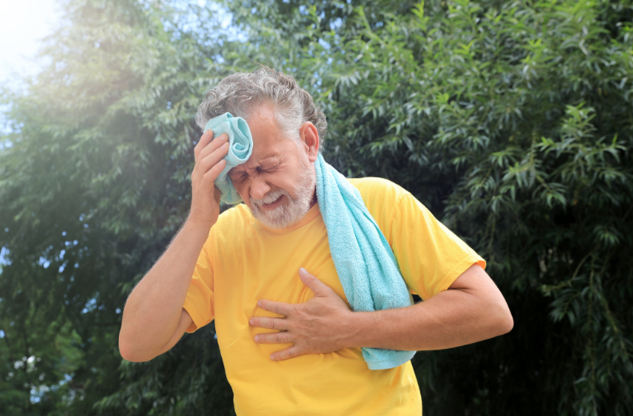
As temperatures rise during the summer months, older adults face a greater risk of heat-related illnesses. While everyone should take precautions during hot weather, seniors are particularly vulnerable to conditions such as heat exhaustion and heat stroke. Understanding the warning signs and knowing how to prevent these illnesses can help keep older adults safe and healthy all season long.
Why Are Seniors More at Risk?
As we age, our bodies become less efficient at regulating temperature. Older adults may not sweat as much as younger people, making it harder to cool down when temperatures climb. Certain chronic health conditions, including heart disease, diabetes, and respiratory illnesses, can also increase susceptibility to heat-related illnesses. Additionally, some medications may affect the body’s ability to stay hydrated or regulate temperature.
What Is Heat Exhaustion?
Heat exhaustion occurs when the body loses excessive amounts of water and salt through sweating. It is a serious condition that requires quick attention to prevent it from progressing to heat stroke.
Common symptoms of heat exhaustion include:
- Heavy sweating
- Weakness or fatigue
- Dizziness or lightheadedness
- Headache
- Nausea or vomiting
- Muscle cramps
- Cool or pale skin
- Rapid heartbeat
If someone is experiencing heat exhaustion, move them to a cooler place immediately. Tell them to drink water, loosen tight clothing, and rest. Applying cool, wet cloths to the skin can also help lower body temperature.
What Is Heat Stroke?
Heat stroke is a medical emergency that occurs when the body’s temperature rises to serious levels and can no longer cool itself. Without immediate treatment, heat stroke can cause organ damage, disability, or even death.
Symptoms of heat stroke may include:
- Body temperature above 103°F
- Hot, red, or damp skin
- Confusion or disorientation
- Slurred speech
- Loss of consciousness
- Seizures
- Rapid pulse
If heat stroke is suspected, call 911 immediately. While waiting for emergency responders, move the person to a cooler area and use cool cloths, fans, or ice packs to help lower their body temperature.
Prevention Is Key
The best way to avoid heat-related illness is through prevention. Seniors should:
- Stay hydrated by drinking water throughout the day.
- Avoid outdoor activities during the hottest hours of the day.
- Wear lightweight, loose-fitting clothing.
- Use air conditioning when temperatures are high.
- Check in regularly with family, friends, or neighbors during heat waves.
By recognizing the signs of heat exhaustion and heat stroke and taking preventive measures, older adults can enjoy a safer, healthier summer. Staying cool, hydrated, and informed can make all the difference when temperatures are high.