
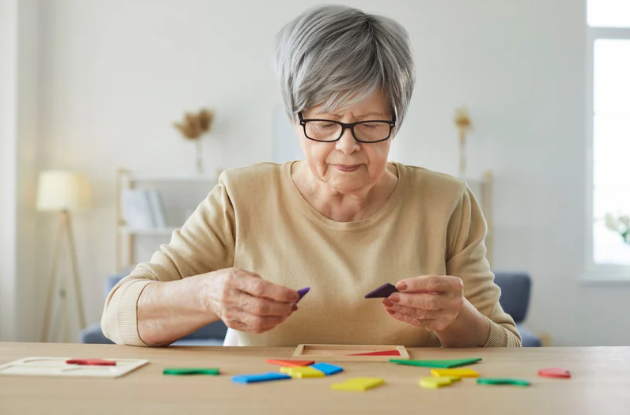
In assisted living and memory care communities, supporting cognitive health is about more than keeping the mind active – it’s about preserving dignity, fostering connection, and creating moments of joy. Thoughtfully designed activities can help residents stay engaged, maintain cognitive function, and experience a sense of purpose at every stage of aging.
By incorporating structured, meaningful brain-boosting activities into daily routines, assisted living and memory care communities can enhance quality of life for residents while supporting emotional and social well-being.
Why Brain-Boosting Activities Matter in Senior Care
Cognitive engagement helps:
- Support memory and attention
- Slow cognitive decline
- Reduce anxiety
- Encourage social interaction
- Improve overall mood and confidence
In memory care settings especially, familiar, repetitive, and sensory-based activities are most effective, offering comfort while gently stimulating the brain.
1. Adapted Games and Puzzles for all Ability Levels
Games and puzzles can be easily modified to meet residents where they are cognitively and physically.
Examples Include:
- Large print crossword puzzles and word searches
- Simple matching or sorting games
- Familiar card games with simplified rules
- Jigsaw puzzles with larger pieces
- Color or shape-based activities
These activities promote problem-solving, focus, and hand-eye coordination while remaining accessible.
2. Music Therapy and Familiar Sounds
Music has a powerful ability to reach individuals with memory loss, often unlocking emotions and memories when words cannot.
Effective Music Based Activities:
- Listening to music from residents’s younger years
- Group sing-alongs or hymn sessions
- One-on-one music listening with headphones
Music can reduce agitation, encourage communication, and create meaningful emotional connections.
3. Reminiscence and Storytelling Activities
Reminiscence activities allow residents to draw on long-term memories, which often remain intact longer than short-term recall.
Ideas Include:
- Guided group conversations around shared life experiences
- Memory boxes with photos or keepsakes
- Story prompts using historical photos or familiar themes
- One-on-one life review conversations
These activities reinforce identity and help residents feel seen and valued.
4. Gentle Physical Movement with Cognitive Engagement
Movement paired with mental focus supports both physical and brain health.
Examples include:
- Chair yoga or seated stretching
- Guided walking with conversation
- Simple dance routines or movement to music
- Ball toss or coordination exercises
These activities improve circulation, balance, and attention while reducing restlessness.
5. Creative Expression Through Art and Hands-On Activities
Art-based activities allow residents to express themselves without the pressure of right or wrong answers.
Popular Options Include:
- Painting or coloring
- Seasonal crafts
- Baking or food-preparation activities with assistance
Creative expression supports fine motor skills and encourages emotional release.
6. Social Interaction and Small-Group Engagement
Social connection plays a vital role in brain health and emotional wellness.
Effective Approaches Include:
- Small, consistent group activities
- One-on-one engagement for residents with advanced dementia
- Family-inclusive events
- Intergenerational programs
Positive social interactions can reduce feelings of isolation and increase overall engagement.
7. Sensory-Based Activities for Memory Care
Sensory stimulation is especially beneficial for residents with advanced memory loss.
Sensory activities may include:
- Texture-based activities (fabric, sand, soft objects)
- Nature exposure through gardens or indoor plants
- Soft lighting and calming soundscapes
These activities can be grounding and comforting, even when verbal communication is limited.
Creating a Supportive Environment for Success
The most effective brain-boosting programs in assisted living and memory care share a few common traits:
- Activities are person-centered and flexible
- Staff adapt activities to residents’ abilities and moods
- Familiar routines are maintained
- Success is measured by engagement and comfort – not performance
Conclusion
Brain boosting activities in assisted living and memory care are not about restoring what has been lost – they are about honoring who residents are today. With compassion, creativity, and thoughtful planning, communities can create enriching experiences that support cognitive health, emotional well-being, and meaningful connection.